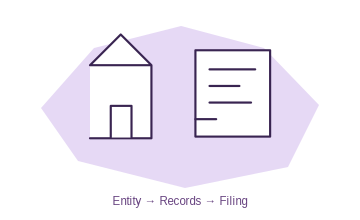
01 / CONNECT THE WORK
Start with the business facts.
Describe the entity, owners, activity, locations, and existing filing position so the tax discussion has a reliable starting point.
Explore Tax advisory ↗FOR THE BUSINESS YOU’RE BUILDING
Find the right tax support.
Start with your business.
Sometimes the first question is not which tax form to file. It is who can help you understand what the business needs. CBA Financials connects small business owners with a conversation about their records, tax questions, and the right service scope.
 YOUR STARTING POINT
THE STARTING POINT

THE SERVICE PATH
Records
✳Review
✳Responsibilities
✳Next steps
SMALL BUSINESS TAX ACCOUNTANT
A small business tax accountant helps connect business records and tax requirements with preparation, planning, or advisory work appropriate to the business and the professional’s qualifications.
A filing deadline, a new entity, an owner-payment question, and a major purchase need different kinds of attention. Start with the question, your business structure, and the state of the books. Then identify the support, qualifications, and responsibilities the engagement requires.
CONNECT THE FINANCIAL PIECES
Describe the entity, owners, activity, locations, and existing filing position so the tax discussion has a reliable starting point.
Explore Tax advisory ↗Preparation handles return work; planning considers decisions ahead; advisory support helps frame specific tax questions.
Explore Business tax planning ↗Identify the last complete bookkeeping period, available reports, and any unresolved balances before the filing timetable is set.
Explore Business tax preparation ↗Ask about relevant qualifications, communication, fees, and representation rights needed for the assignment.
Explore Tax advisory ↗START WITH THE QUESTION THAT MATTERS
Choose the situation closest to yours. Bring the detail into the discussion.
Bring entity details, prior returns, current reports, and known deadlines. Identify the federal and state work being requested.
Agree on the document handoff, open questions, review, and authorization process.
Explore Business tax preparation ↗Describe the timing and business purpose of the decision, such as a purchase, hiring change, or ownership development.
Planning considers available information and applicable rules; it does not promise a particular saving.
Explore Business tax planning ↗Bring the facts and supporting records rather than only the label of a tax issue. Explain any deadline or official correspondence.
Notice response or representation requires a specifically agreed scope and appropriate authority.
Explore Tax advisory ↗Identify overdue periods, unmatched balances, and the documents available. Incomplete information can change both the work and timetable.
A catch-up project may be needed before tax preparation can rely on the current reports.
Explore Catch-up bookkeeping ↗FOLLOW THE WORK
Identify whether the starting point is filing, planning, a specific question, or the records.
Confirm who handles the work, what is included, and how questions and approvals are managed.
Keep filing tasks and future decisions connected to current information.
PEOPLE, RECORDS, AND RESPONSIBILITIES
Your business knowledge and the financial record belong in the same conversation.
Activity, records, upcoming commitments, and the questions your team wants to answer.
The financial conversation
Agreed work, a clear handoff, and the right service for the question.
Connect bookkeeping, accounting, tax, and advisory needs through a scope that fits the business.
Bring the records, systems, and questions listed below. Identify what is current, what is missing, and what needs attention first.
Define the tasks, reporting needs, responsibilities, timing, and fees. Identify any specialist work that needs a separate scope.
Agree how records and questions move between your team and CBA, and how new requirements will be raised.
FOR THE FIRST CONVERSATION
Ask about relevant experience, qualifications, the person responsible for the work, communication, fees, and the services included. If representation is needed, confirm the professional’s rights and authority for that matter.
No. Tax preparers have different qualifications, and not all hold a CPA license. The IRS explains the credential types and differing representation rights. Confirm the assigned professional’s credentials directly.
This page helps an owner choose the right relationship and service path. The preparation page focuses on records, return preparation, review, and filing responsibilities.
Yes. Describe the decision and timing so planning can be scoped around the facts available. Filing work and forward-looking advice should each be identified in the engagement.
Do not assume representation is part of general tax support. Confirm the matter, assigned professional, eligibility, authorization, fees, and scope before any representation work.
The quote depends on the entity, jurisdictions, records, returns, complexity, and advisory work. Ask which recurring, project, and additional services are included.
SMALL BUSINESS TAX ACCOUNTANT
Tell us where the financial work needs a clearer connection. Start with a conversation about your business.