Accounting for IT consulting firms. Connect delivery to the financial result.
Bring project work, recurring support, third-party costs, and collections into clearer view.
An IT engagement can combine consultant time, project milestones, recurring support, and third-party purchases. CBA Financials helps organize those financial records so owners can understand the business behind the delivery schedule and discuss cash, staffing, and commitments with a more consistent view of the numbers.
From project scope. To a financial picture you can use.
Accounting for IT consulting firms organizes project fees, recurring service income, delivery costs, third-party purchases, and receivables to support financial reporting and business decisions.
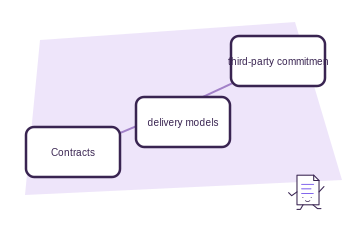
IT consulting bookkeeping should reflect what your firm actually sells and delivers. A scoped implementation, ongoing support agreement, and hardware or software resale can create different financial questions. We help connect contracts, invoices, delivery costs, and payments without assuming that every technology-related transaction belongs in the same revenue or expense category.
CONNECT THE FINANCIAL PIECES
Practical support. Built around the work.
01 / CONNECT THE WORK
Separate project and recurring work
Organize project fees and ongoing service income using a structure aligned with your contracts. Keep milestone-based implementation work distinguishable from recurring support so reporting reflects delivery differences rather than combining everything into a single service total.
Keep software, hardware, cloud charges, and subcontractor costs identifiable where relevant to the engagement. Track customer reimbursements or resale arrangements with supporting terms so third-party spending does not become an unexplained reduction in the firm’s apparent margin.
Connect contract milestones, client acceptance records, and invoices so completed delivery does not disappear into an unbilled queue. Keep scope changes available for review before assuming additional consultant effort belongs inside the original fixed fee.
Compare staffing and subcontractor commitments with expected collections and recurring obligations. A forecast can explore a delayed project payment or new hire using stated assumptions, rather than treating signed pipeline value as cash already available.
Make the financial conversation part of the business conversation.
Choose the situation closest to yours. Bring the detail into the discussion.
01 / PUT THE QUESTION IN CONTEXT
Should projects and managed services share one view?
They can appear in the same business but need useful distinctions. Project milestones, recurring support, and ad hoc consulting create different delivery and collection patterns, which should remain visible when owners discuss staffing and financial performance.
Choose categories your team can maintain consistently, and review the records behind each model before comparing margins or planning further growth.
Are software and hardware billings always reported the same way?
No. The arrangement and applicable accounting framework matter, including principal-versus-agent questions when another party supplies goods or services. Review contractual responsibilities rather than deciding the reporting treatment from an invoice label or net payment alone.
Document the agreed approach for relevant arrangements and revisit it when the firm’s commercial model changes from consulting to resale or another activity.
Additional integrations, migrations, or support requests can create unplanned delivery costs. Keep the approved scope, change records, and relevant billing information connected so the financial discussion can distinguish authorized additions from effort absorbed within the original fee.
Accounting can highlight the cost and billing gap; project leaders remain responsible for agreeing scope, acceptance, and revised commercial terms with the client.
Can a vendor commitment come before the customer pays?
Third-party purchases and subcontractor payments can fall due before a milestone invoice is collected. Model those commitments alongside payroll and overhead so a growing engagement does not unexpectedly consume the funds needed for the wider business.
A practical scenario should identify payment assumptions and concentrated client exposure, then support a discussion about billing stages or purchase timing.
Review statements of work, recurring agreements, purchase arrangements, and billing stages to identify financial categories that match the firm’s actual services.
Connect
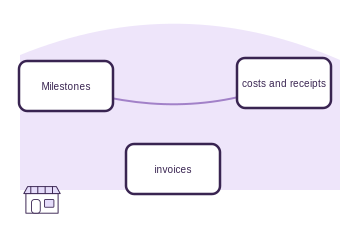
Milestones → invoices → costs and receipts
Reconcile activity and connect delivery costs with appropriate engagement records, keeping unbilled work, scope changes, and outstanding client balances visible.
Decide
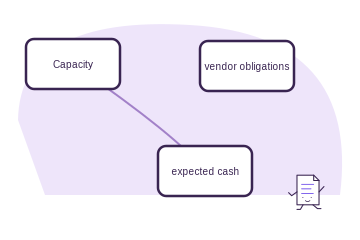
Capacity → vendor obligations → expected cash
Review consultant capacity, subcontractor costs, vendor commitments, and collection timing together before deciding how the business will fund additional delivery work.
PEOPLE, RECORDS, AND RESPONSIBILITIES
Bring the context. Connect the next step.
Your business knowledge and the financial record belong in the same conversation.
≡
Your business context
Activity, records, upcoming commitments, and the questions your team wants to answer.
↔
The financial conversation
↔
↗
A defined next step
Agreed work, a clear handoff, and the right service for the question.
Connect bookkeeping, accounting, tax, and advisory needs through a scope that fits the business.
Can reporting separate recurring support from project work?
Yes, we can discuss categories aligned with your agreements and available records. The distinction is useful when delivery effort and billing patterns differ, provided your team can maintain reliable coding and supporting information across periods.
Can you account for software or hardware resale?
Discuss the arrangements and supporting contracts at the start. Resale can raise reporting questions that differ from consulting fees, including principal-versus-agent considerations under an applicable accounting framework; an invoice description alone does not determine the answer.
Does accounting include cybersecurity or IT delivery assurance?
This page concerns financial records, reporting, cash planning, payroll, and tax needs. Technology implementation, security controls, service performance, and client acceptance remain operational responsibilities and are not established by a set of financial reports.
How can bookkeeping help with fixed-fee implementations?
Consistent engagement records can connect fees with subcontractor and other recorded costs. Time information, remaining delivery work, and change approvals add context, helping owners discuss the project without assuming recorded cash alone describes its financial performance.
IT CONSULTING ACCOUNTING & FINANCIAL SERVICES
KEEP THE BUSINESS MOVING. SEE THE FINANCIAL PICTURE.
Tell us where the financial work needs a clearer connection. Start with a conversation about your business.