Skip to content

FINANCIAL SUPPORT FOR YOUR INDUSTRY

Amazon seller accounting.
Make sense of every settlement.

Connect orders, fees, refunds, inventory, and deposits before judging the result.

An Amazon deposit is the end of a settlement process, not a complete explanation of your sales. CBA Financials helps organize the underlying activity so fees, refunds, inventory costs, and timing differences stay visible when you review your books and plan the next purchase.

CBA FinancialsAMAZON SELLERS / CONNECT THE WORK

THE STARTING POINT

The detail
has a story.

  • Gather
  • Connect
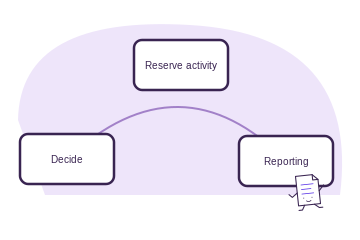
  • Decide
Connect what happened with what comes next.
A marketplace seller at a packing station guiding parcels from a warehouse rack to a settlement ledger

THE BUSINESS VIEW

Bring it togetherA clearer operating picture
Look aheadThe next business decision
A FOUNDATION THAT CONNECTS

Records

Review

Responsibilities

Next steps

AMAZON SELLER ACCOUNTING

From marketplace activity.
To a clearer business picture.

Amazon seller accounting connects marketplace sales, refunds, fees, inventory costs, and settlement deposits to financial records that explain business performance and cash movement.

Bookkeeping for Amazon sellers starts with the records behind the payout. Settlement activity can include multiple types of charges and adjustments, while inventory purchases follow a different timeline. We help establish an orderly record flow so marketplace activity and bank deposits are reconciled without recording the same sales twice.

CONNECT THE FINANCIAL PIECES

Practical support.
Built around the work.

01 / CONNECT THE WORK

Explain the deposit

Use settlement and transaction records to identify sales, refunds, and seller charges behind a deposit. Reconcile the resulting movement to the bank rather than recording the payout alone as the period’s sales.

Explore Small business bookkeeping ↗
02 / CONNECT THE WORK

Keep inventory in view

Organize purchase, freight, stock, and cost information around the records you can provide. Discuss a consistent inventory approach so replenishment payments and product costs do not blur the operating picture or obscure missing documentation.

Explore Outsourced accounting ↗
03 / CONNECT THE WORK

Separate fulfillment economics

Review the costs that relate to your fulfillment model, including marketplace charges and seller-paid shipping or handling. Compare like periods using consistent categories instead of assuming FBA and merchant-fulfilled orders create identical costs.

Explore Fractional CFO support ↗
04 / CONNECT THE WORK

Plan the next stock order

Look at purchasing commitments, expected settlements, operating costs, and reserves together. A cash forecast can show how a larger replenishment order changes available funds before sales proceeds reach the business bank account.

Explore Cash flow management ↗

START WITH THE QUESTION THAT MATTERS

Make the financial conversation
part of the business conversation.

Choose the situation closest to yours. Bring the detail into the discussion.

01 / PUT THE QUESTION IN CONTEXT

Why does the payout differ from sales?

Amazon payment reports provide detail behind settlement activity, including fees and refunds. Review those records alongside bank deposits so reductions, adjustments, and amounts carried between settlement periods receive an identifiable accounting treatment.

A reconciliation should explain the difference, rather than hiding it in a recurring adjustment that nobody can trace to marketplace records.

Explore Small business bookkeeping ↗

FOLLOW THE WORK

The connections
worth making clear.

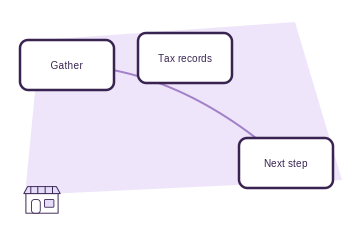
Gather

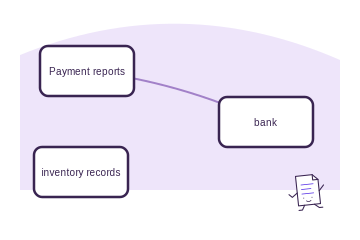
Payment reports → inventory records → bank

Collect settlement exports, stock and purchase records, bank statements, and details of any sales activity outside the Amazon marketplace.

Connect

Orders and adjustments → settlement → deposit

Organize marketplace transactions, review fees and refunds, and explain the path from reported activity to actual business bank deposits.

Decide

Product costs → stock needs → cash plan

Review fulfillment costs, purchasing commitments, and expected receipts to support replenishment decisions and a more informed discussion about business performance.

PEOPLE, RECORDS, AND RESPONSIBILITIES

Bring the context.
Connect the next step.

Your business knowledge and the financial record belong in the same conversation.

Your business context

Activity, records, upcoming commitments, and the questions your team wants to answer.

CBA Financials

The financial conversation

A defined next step

Agreed work, a clear handoff, and the right service for the question.

Connect bookkeeping, accounting, tax, and advisory needs through a scope that fits the business.

A PRACTICAL WAY TO BEGIN

Start with the context.
Set the rhythm.

Talk to our team ↗
  1. 01

    Map the way your business works.

    Bring the records, systems, and questions listed below. Identify what is current, what is missing, and what needs attention first.

  2. 02

    Agree on the work and the handoffs.

    Define the tasks, reporting needs, responsibilities, timing, and fees. Identify any specialist work that needs a separate scope.

  3. 03

    Set a routine that stays connected.

    Agree how records and questions move between your team and CBA, and how new requirements will be raised.

FOR THE FIRST CONVERSATION

Bring the detail.
We’ll connect the questions.

  • Payment and settlement reports for the review period
  • Purchase, stock, freight, and fulfillment cost records
  • Business bank and credit card statements
  • Other sales-channel activity and prior tax records

BEFORE THE FIRST CONVERSATION

Good questions.
A clearer starting point.

Discuss your business ↗
Can I record Amazon deposits as sales?

A deposit alone can omit the fees, refunds, and other activity behind the payout. Reviewing payment reports helps separate those components and reconcile them to the bank without overstating or understating recorded activity.

Do FBA and merchant-fulfilled sellers need different records?

Both need complete financial records, but the fulfillment costs and supporting information differ. We discuss your actual model and identify the marketplace charges, shipping costs, stock records, and purchasing information needed for useful reporting.

Can you help with more than one sales channel?

Discuss every channel at the start. Each source needs a reliable record flow and reconciliation approach so shared inventory, transfers, and customer activity are not duplicated or omitted when the business reports its results.

Does Amazon handle every tax obligation for sellers?

Do not assume that marketplace activity resolves every obligation. Business income tax and state-specific questions depend on your facts. A tax review should consider the entity, locations, other channels, and available records.

AMAZON SELLERS ACCOUNTING & FINANCIAL SERVICES

KEEP THE BUSINESS MOVING.
SEE THE FINANCIAL PICTURE.

Tell us where the financial work needs a clearer connection. Start with a conversation about your business.

Find us: Cupertino, CA ↗Use email for general inquiry details. Ask how to share financial records securely.