Law firm accounting services. Keep the practice in balance.
Understand operating costs, fee collections, and the financial decisions behind your next chapter.
A busy docket can hide a strained operating account. CBA Financials brings bookkeeping, accounting, tax, and CFO conversations together around the business of running your firm. Start with clear records, distinguish operating money from client funds, and make partner decisions with a more useful financial picture.
Your matters are different. Your financial records should show it.
Law firm accounting services organize practice finances, including earned fees, operating expenses, receivables, and reporting, while treating client funds and applicable trust requirements as distinct considerations.
Hourly work, fixed fees, advance payments, and reimbursable expenses create different recordkeeping questions. Bookkeeping for law firms should preserve those differences. We begin with your practice structure and existing records, then discuss the accounting support needed without assuming that ordinary operating bookkeeping covers specialized trust-account obligations.
CONNECT THE FINANCIAL PIECES
Practical support. Built around the work.
01 / CONNECT THE WORK
Operating books with useful categories
Organize earned fees, professional expenses, rent, software, and staff costs into consistent operating accounts. Separate partner contributions and distributions so changes in the bank balance do not blur the financial performance of the practice.
Discuss how billing reports, receipts, client advances, and reimbursed costs connect to your accounting records. Keep unresolved classifications visible for review rather than treating every receipt as an earned professional fee at month end.
Look at expected collections alongside payroll, occupancy costs, and planned distributions. Build a working view of operating cash that excludes funds belonging to clients and makes the timing of upcoming obligations easier to discuss.
Bring entity information, partner activity, expense support, and prior returns into the tax discussion. Law firm tax services can connect filing preparation with questions about estimated payments and owner compensation for your particular business structure.
Make the financial conversation part of the business conversation.
Choose the situation closest to yours. Bring the detail into the discussion.
01 / PUT THE QUESTION IN CONTEXT
Which money actually belongs to the firm?
A bank balance is not automatically spending money. Client funds and advance payments can require separate treatment, and the applicable jurisdiction determines the rules governing your practice and its trust accounts.
Identify trust-related needs at intake. Specialized trust reconciliation, reporting, or compliance work requires an expressly agreed scope and appropriate jurisdictional expertise.
Review outstanding invoices alongside collection history and current workloads. A profitable matter on a report may still leave the operating account waiting for payment while payroll and other expenses continue.
Use an agreed receivables view to inform follow-up priorities. Billing disputes and legal collection decisions remain with the firm and its advisers.
Separate recurring operating results from partner contributions, distributions, and unusual receipts. This gives owners a cleaner starting point for discussing available cash, retained reserves, and the cost of expanding the practice.
A CFO conversation can compare alternatives, including staffing or office commitments. Distribution approvals and legal or partnership interpretations remain your responsibility.
Keep fee income, expenses, owner transactions, and asset purchases supported by accessible records. A consistent monthly process makes unusual items easier to explain when the firm prepares its business tax return.
Filing requirements depend on entity structure and jurisdiction. Bring prior returns and outstanding notices so the preparation discussion starts with relevant context.
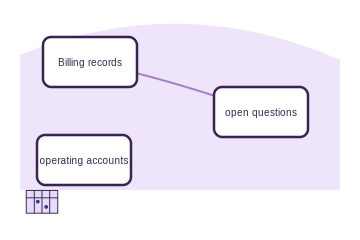
Billing records → operating accounts → open questions
Identify fee arrangements, bank accounts, owner activity, and any client-fund workflows before defining the operating bookkeeping and accounting work to undertake.
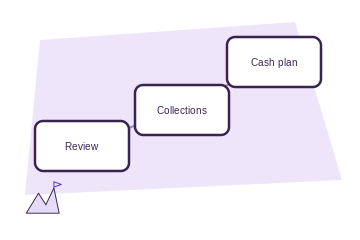
Review
Receipts → reconciliations → management reports
Connect supported transactions to the books, review outstanding items, and develop reports that distinguish practice performance from changes in owner financing.
Decide
Collections outlook → cash needs → next actions
Discuss upcoming payroll, expected collections, and proposed distributions using agreed assumptions, while keeping client money outside the operating cash planning conversation.
PEOPLE, RECORDS, AND RESPONSIBILITIES
Bring the context. Connect the next step.
Your business knowledge and the financial record belong in the same conversation.
≡
Your business context
Activity, records, upcoming commitments, and the questions your team wants to answer.
↔
The financial conversation
↔
↗
A defined next step
Agreed work, a clear handoff, and the right service for the question.
Connect bookkeeping, accounting, tax, and advisory needs through a scope that fits the business.
Does ordinary bookkeeping include trust accounting?
Not automatically. Trust accounts have requirements determined by the applicable jurisdiction. We distinguish operating bookkeeping from client-fund work at intake and agree any specialized support separately, without presenting general accounting as a trust compliance guarantee.
Can you help a small or solo law practice?
Discuss the volume of matters, fee arrangements, owner activity, and current records with CBA Financials. Those details help establish an appropriate bookkeeping or accounting scope for a solo practice or a growing firm with staff.
How are client advances different from earned fees?
Their treatment depends on the fee agreement and applicable rules. An advance can belong in a client trust account until earned. Keep the underlying documents and obtain jurisdiction-specific advice rather than classifying all deposits as revenue.
What should we discuss before adding an attorney?
Compare expected collections, compensation, benefits, recruiting costs, and the timing of additional work. A planning discussion can test assumptions about operating cash; it cannot guarantee utilization, collections, or the financial return from a new hire.
LAW FIRMS ACCOUNTING & FINANCIAL SERVICES
KEEP THE BUSINESS MOVING. SEE THE FINANCIAL PICTURE.
Tell us where the financial work needs a clearer connection. Start with a conversation about your business.