Logistics accounting services. Follow the load. Understand the margin.
Connect shipper invoices, carrier bills, and cash timing across your logistics business.
A shipment can be delivered while its paperwork and payments are still moving. CBA Financials helps bring financial records into a clearer sequence, connecting the work you arranged with what customers owe, what vendors billed, and what the business needs to pay next as operations continue.
Keep the paperwork moving. Keep the numbers connected.
Logistics accounting services organize freight-related revenue, carrier and vendor costs, receivables, payables, and financial reports around the company’s actual role and transaction records for management review.
A freight broker, warehouse operator, and asset-based carrier do not have identical books. We start by understanding your activities. Bookkeeping for logistics companies can then connect shipment references with financial records, while freight accounting and cash planning address the cost and collection patterns of your operation.
CONNECT THE FINANCIAL PIECES
Practical support. Built around the work.
01 / CONNECT THE WORK
Shipment references that survive month end
Use consistent load or shipment references across invoices, carrier bills, supporting documents, and accounting questions. This helps trace financial activity without turning a customer payment or vendor charge into an unexplained line in the books.
Compare supported carrier and accessorial charges with the related customer billing. Keep disputed, missing, or late documents visible so a margin review distinguishes known costs from amounts still awaiting investigation or approval by your team.
Map expected shipper collections against carrier payment commitments, payroll, and overhead. A practical forecast can show where timing gaps require attention, even when completed loads look profitable in the current management reporting period overall.
Discuss customer concentration, pricing assumptions, overhead, and financing needs alongside shipment activity. CFO support can turn a high-level margin report into a decision about capacity or growth, using assumptions grounded in your own operating records.
Make the financial conversation part of the business conversation.
Choose the situation closest to yours. Bring the detail into the discussion.
01 / PUT THE QUESTION IN CONTEXT
Are you arranging transport or performing it?
Your role shapes the records required and how revenue questions are evaluated. Identify brokerage, carrier, warehousing, and other services before applying a single accounting approach across every logistics activity.
Contracts and actual responsibilities matter. Complex principal-versus-agent revenue presentation needs separate technical review rather than an assumption based on the company’s name.
A shipment reference can connect a bill of lading, customer invoice, carrier bill, and payment. For regulated brokers, federal recordkeeping requirements also describe transaction details that must be maintained.
Your operational records remain essential. Accounting support should coordinate with them, without being represented as transportation regulatory compliance management or dispatch support.
Detention, fuel adjustments, claims, and other charges may change the economics of a load. Review late costs and unresolved items before reading a preliminary margin as the final financial outcome.
Agree how exceptions are flagged and investigated. Management can then distinguish pricing questions from missing documentation, approval delays, or disputed customer charges.
Carrier commitments and operating expenses can fall due before customers settle invoices. Compare a realistic collection outlook with payment schedules to see the cash effect of growth or slower collections.
Forecast scenarios can incorporate financing costs and timing assumptions. They do not guarantee collections, credit availability, or that every shipment will be profitable.
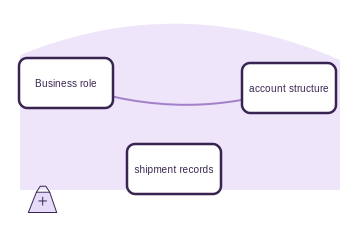
Business role → shipment records → account structure
Map the activities performed, available load references, payment arrangements, and financial records needed before establishing a bookkeeping or reporting process.
Connect
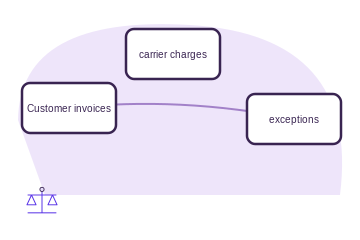
Customer invoices → carrier charges → exceptions
Trace supported billing and costs through the books, recording unresolved documents and disputes as review items for the appropriate operational owner.
Plan
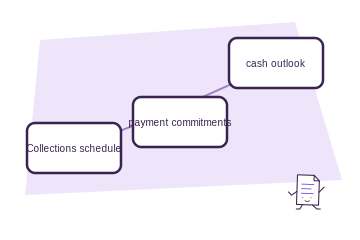
Collections schedule → payment commitments → cash outlook
Bring payment timing and operating obligations into a forecast discussion so management can review working capital before accepting additional growth commitments.
PEOPLE, RECORDS, AND RESPONSIBILITIES
Bring the context. Connect the next step.
Your business knowledge and the financial record belong in the same conversation.
≡
Your business context
Activity, records, upcoming commitments, and the questions your team wants to answer.
↔
The financial conversation
↔
↗
A defined next step
Agreed work, a clear handoff, and the right service for the question.
Connect bookkeeping, accounting, tax, and advisory needs through a scope that fits the business.
Is this the same as accounting for a trucking company?
There is overlap, but the operating model matters. A broker arranging transportation has different transactions from a carrier running equipment. Describe your services so the proposed accounting scope reflects your actual revenue and cost responsibilities.
Does accounting support replace broker transaction records?
No. Regulated brokers have specific transaction recordkeeping obligations under federal rules. Accounting records can use shipment references to connect financial activity, but the business must maintain its required operational documentation and obtain appropriate regulatory guidance.
Can a profitable load still create a cash shortage?
Yes. Customer collections may arrive after carrier payments and other obligations become due. Margin describes one aspect of performance; a cash forecast adds timing, financing costs, and assumptions about when invoices are likely to settle.
Can you help investigate unmatched carrier charges?
Discuss exception review as part of the scope. Supporting invoices, shipment references, and approvals are needed to trace a charge. Operational disputes, claim determinations, and decisions about payment remain with your business and relevant advisers.