
A CLEARER STARTING POINT
Financial Reporting Cleanup.
Understand the report behind the decision.
When statements disagree or unexplained balances keep returning, trace the issue before relying on the next report.

Better records.
✳Clear responsibilities.
✳A practical way forward.

01 / UNDERSTAND THE SITUATION
Start with the facts.
Then make a plan.
Financial reporting cleanup investigates inconsistencies in financial statements, supporting schedules, accounting classifications, and report settings so management can understand what needs correction and what remains unresolved.
A bank reconciliation can be correct while the profit and loss report still needs attention. Reports may use different dates, bases, filters, classifications, or incomplete supporting schedules. Start by defining which statements should agree and the purpose they serve.
Discuss financial reporting cleanup with CBA Financials when management reports do not tell a consistent story. Confirm whether the work includes ledger corrections, schedule reconstruction, report redesign, or controller review. A cleanup engagement does not itself provide an audit, review opinion, or assurance.
02 / FIND YOUR STARTING POINT
Make the next conversation
more useful.
Explore the questions, records, and responsibilities that shape the next step.
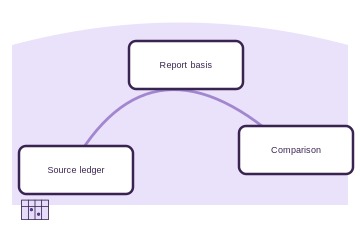
Are we comparing the same period and basis?
Check report dates, cash or accrual basis, entity, filters, classes, and whether later entries changed a previously issued statement. Preserve the versions under review.
Document the intended reporting basis and audience. Management, lender, and tax reporting may require different presentations; explain those differences rather than forcing every report to look identical.

What evidence sits behind each balance?
Trace material balance-sheet accounts to relevant reconciliations or schedules, such as bank statements, receivables detail, loan activity, and fixed-asset records.
Prioritize unexplained or unsupported items. A general journal entry should have a documented purpose, calculation, period, and approval rather than merely making a ratio or balance look better.

Do categories reflect how the business operates?
Review inconsistent expense categories, revenue groupings, owner transactions, and department or project coding that can distort management comparisons.
Agree a sensible reporting structure before mass recoding. Preserve the ability to explain historical changes and coordinate adjustments affecting prior tax returns or externally supplied statements.

Who reviews the statements before they circulate?
Define preparation, review, exception resolution, and approval responsibilities. Include commentary explaining unusual movements and open questions material to the reader.
Label preliminary and final versions clearly. Agree how corrected statements will be communicated to recipients and who controls changes after the reporting period is closed.
03 / LOOK AT THE DIFFERENCE
Two sides.
A clearer decision.
| Consideration | Bookkeeping correction | Reporting cleanup |
|---|---|---|
| Starting question | Was a transaction recorded correctly? | Do statements and schedules present a coherent supported picture? |
| Typical work | Investigate duplicate, missing, or misclassified entries. | Review basis, periods, schedules, classifications, and presentation. |
| Overlap | Corrections can change the reports. | Reporting review can uncover ledger errors requiring correction. |
| Useful outcome | Documented transaction-level corrections. | Reviewed reports with explained changes and remaining exceptions. |
Use these distinctions to frame a conversation. The right scope depends on your records, business activity, and the responsibilities agreed for your engagement.
04 / FROM QUESTIONS TO ACTION
A useful conversation
starts with context.
Tell us what is happening, what records are available, and which decisions or deadlines need attention.
Talk through the situation ↗- 01
Identify the conflicting picture
Collect the statements, report settings, dates, supporting schedules, and examples of decisions affected. Note which versions have already been shared externally.
- 02
Trace and approve corrections
Investigate sources of disagreement, assess affected periods, and agree who approves changes. Keep a record of supported adjustments and unresolved limitations.
- 03
Reissue with context
Review the updated reports together, document material changes, and establish a repeatable preparation and review checklist for later periods.
CONNECTED CBA SERVICES
Support for the work
behind the question.
QUESTIONS WORTH ASKING
Good questions.
Clear starting points.
Looking for help with your own business?
Let’s talk ↗Does cleanup mean the statements are audited?
No. Cleanup and management reporting are different from independent assurance engagements. If a lender or investor requires audited or reviewed statements, identify that requirement and arrange appropriately qualified support.
Can you guarantee the statements will be accepted by a lender?
No. A lender sets its own requirements. Share its reporting instructions early so the engagement can address the requested format, periods, and supporting records without promising acceptance.
Will earlier tax returns need to change?
That depends on the corrections and their tax effect. Flag previously filed periods and coordinate any necessary review with the responsible tax professional rather than assuming every accounting adjustment requires an amended return.
What should we prepare first?
Provide current and prior statements, the trial balance or ledger, key reconciliations, supporting schedules, report settings, and a list of concerns. Include any reporting requirements already received from outside parties.
YOUR NEXT STEP
Bring the question.
Build some clarity.
Tell CBA Financials what you need help understanding. We’ll discuss the relevant records, available support, and scope before work begins.
Cupertino, California · Find us ↗Send general inquiry details only. Ask how to share financial records securely.