
Start from comparable profit
Enter profit before owner compensation and the additional costs used in the scenario. Use the same underlying business economics on both sides. Gross revenue is not a substitute for business profit.
2026 · Employment-tax scenario
Explore a simplified payroll-tax comparison between self-employment and S-corporation owner compensation, with salary and administration costs in view.
Your scenario, explained
Modeled annual difference
—
Waiting for calculator
How to use this tool
The result is a payroll-tax scenario, not a complete estimate of tax savings or an election recommendation. A useful S-corporation review also considers reasonable compensation, eligibility, income-tax deductions, state charges, benefits, retirement contributions, and the effort of running payroll and a separate return. Review recurring profit and owner responsibilities before treating this scenario as a practical alternative.
Enter profit before owner compensation and the additional costs used in the scenario. Use the same underlying business economics on both sides. Gross revenue is not a substitute for business profit.
The owner salary must reflect the services actually provided. The tool accepts your assumption; it does not establish reasonable compensation. Employer payroll taxes consume business cash and reduce the amount left for distributions.
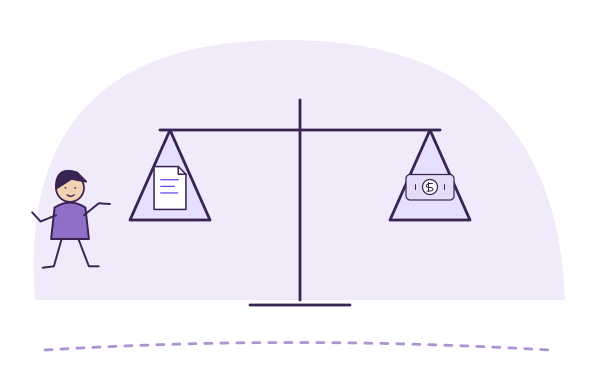
Compare modeled self-employment tax with employee and employer payroll-tax costs, then include added administration. A positive result identifies a question to examine, not an amount the IRS has approved.
Keep exploring
Methodology & scope
Questions that matter
A smaller salary can make a model look attractive while creating an unsupported position. The IRS requires reasonable compensation for shareholder-employees performing services before non-wage distributions. Review duties, time, experience, and relevant compensation evidence before relying on a salary assumption.
No. A distribution’s treatment depends on basis and other facts; pass-through business income can create income-tax liability whether or not cash is distributed. This tool models selected payroll-tax differences, not the income-tax treatment of distributions.
Yes. Social Security wage-base coordination can change an owner’s self-employment comparison, while an S corporation still has its own employer payroll-tax obligations. Enter other wages where requested and review multi-employer and household effects separately.
Consider it when recurring profit, owner duties, and administrative capacity make a structured comparison useful. There is no universal revenue threshold. Bring a full-year profit projection and likely compensation duties to CBA Financials for a scoped review.

Discuss your assumptions, records and next decisions with CBA Financials. Agree the scope and timing before work begins.
Related support
Share general inquiry details only. Ask for the approved way to share financial documents. Find us in Cupertino ↗