
A CLEARER STARTING POINT
Cash Flow Problems for Small Business.
Find the timing gap behind the squeeze.
Small business cash flow problems need a dated view of money coming in and going out—not another glance at revenue alone.

Better records.
✳Clear responsibilities.
✳A practical way forward.

01 / UNDERSTAND THE SITUATION
Start with the facts.
Then make a plan.
A cash flow problem occurs when available cash and expected receipts do not cover payments when they fall due. A profitable business can still face that timing gap because profit and cash movement are different measures.
Sales increased, yet the bank balance feels tighter. Customer payment delays, inventory purchases, loan principal, owner draws, or tax payments can each change cash without moving profit in the same way. Start by identifying the actual drivers.
Discuss cash flow help for your small business with CBA Financials. Bring current balances, receivables, payables, and upcoming commitments. Agree on the forecast period, assumptions, review rhythm, and decisions the work should inform.
02 / FIND YOUR STARTING POINT
Make the next conversation
more useful.
Explore the questions, records, and responsibilities that shape the next step.
When is money likely to arrive?
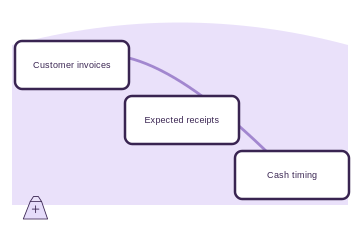
Review open invoices by due date, expected collection date, and any dispute or delay. Treat a possible sale differently from a customer payment with a supported expected date.
Assign someone to update collection expectations. A forecast built on every overdue invoice arriving tomorrow can hide the same shortage you are trying to understand.

What has to be paid, and when?
Put payroll, rent, supplier bills, debt payments, taxes, and planned purchases on a dated schedule. Include commitments that may not yet appear as a posted bill.
Review timing choices against actual terms and obligations. Delaying a required payment is not a substitute for understanding the consequence or discussing an authorized change.

What happens if the expected receipt slips?
Build a practical forecast from the current bank position and dated receipts and payments. Separate confirmed items from estimates so the uncertainty is visible.
Compare a base case with a delayed-collection or lower-sales case. The purpose is to reveal pressure points early enough to discuss options, not to promise a future bank balance.

Is the issue timing, margin, or both?
A recurring shortage may reflect more than collection timing. Review margins, recurring spending, inventory needs, and the cash required to support growth.
CFO support can connect those patterns with pricing, staffing, and investment decisions. Financing availability, lender approval, and improved cash outcomes cannot be assumed.
03 / LOOK AT THE DIFFERENCE
Two sides.
A clearer decision.
| Consideration | Profit view | Cash timing view |
|---|---|---|
| Main question | Did revenue exceed recorded expenses? | Will cash cover payments when due? |
| Receivables | Revenue may precede collection under accrual accounting | Expected collection date matters |
| Borrowing | Loan proceeds are not sales revenue | Borrowing changes available cash |
| Planning use | Assess business performance | Sequence commitments and test assumptions |
Use these distinctions to frame a conversation. The right scope depends on your records, business activity, and the responsibilities agreed for your engagement.
04 / FROM QUESTIONS TO ACTION
A useful conversation
starts with context.
Tell us what is happening, what records are available, and which decisions or deadlines need attention.
Talk through the situation ↗- 01
Build the starting picture
Gather current cash balances, receivable and payable lists, debt schedules, payroll dates, tax commitments, and planned spending.
- 02
Date the next movements
Agree the forecast horizon and collection assumptions. Identify the earliest potential shortage and which assumptions have the greatest effect.
- 03
Choose and revisit actions
Assign follow-up on collections and spending decisions. Refresh actual results against expectations so the forecast remains useful as circumstances change.
CONNECTED CBA SERVICES
Support for the work
behind the question.
QUESTIONS WORTH ASKING
Good questions.
Clear starting points.
Looking for help with your own business?
Let’s talk ↗Why do I have profit but no cash?
Profit is not the bank balance. Collections, inventory, debt principal, equipment purchases, owner distributions, and tax payments can affect cash differently from reported profit. Review the underlying transactions and accounting method before drawing conclusions.
Can you help if payroll is approaching?
Share the payment date and general situation promptly. A forecast can clarify the gap, but advisory work does not create funds or guarantee financing. Discuss the immediate deadline separately from a longer-term cash management engagement.
How often should a cash forecast be updated?
Use a rhythm suited to the pressure and decisions involved. Businesses facing short-term volatility may need frequent updates to receipt dates and commitments. Agree who maintains the information and when actual results are compared with the forecast.
What does cash flow consulting include?
It may involve organizing cash movements, reviewing assumptions, comparing scenarios, and discussing operational decisions. Confirm the specific deliverables and implementation responsibilities. Bookkeeping cleanup, collections activity, and CFO support may require additional scope.
YOUR NEXT STEP
Bring the question.
Build some clarity.
Tell CBA Financials what you need help understanding. We’ll discuss the relevant records, available support, and scope before work begins.
Cupertino, California · Find us ↗Send general inquiry details only. Ask how to share financial records securely.