Shopify accounting services. Give every payout a backstory.
Connect store activity, payment settlements, and operating costs beyond the order count.
A Shopify payout tells you what reached the bank, but not everything that happened in the store. CBA Financials helps connect orders, refunds, fees, inventory records, and operating expenses so your financial books can explain the difference between a busy storefront and the cash available to run it.
Shopify accounting services organize store financial activity, payment settlements, inventory-related records, and business expenses, helping owners understand results, cash timing, and tax preparation needs beyond net bank deposits.
Shopify Payments, other gateways, and additional selling channels can produce different financial records. Shopify bookkeeping starts by mapping those flows. We discuss your reports, inventory process, and accounting needs so ecommerce bookkeeping services preserve the details required to understand sales, costs, and outstanding settlement differences across the business.
CONNECT THE FINANCIAL PIECES
Practical support. Built around the work.
01 / CONNECT THE WORK
Payouts explained from the source
Use available Shopify Payments reports to connect transactions, fees, and payouts with bank receipts. Keep settlement timing and unresolved differences visible rather than recording every net deposit as if it were the complete value of store sales.
Identify Shopify Payments, other gateways, and additional sales channels before organizing records. A clear payment map helps prevent duplicated sales or missing fees when several reports describe overlapping parts of the same customer order and settlement process.
Discuss purchase records, stock information, returns, and product costs when reviewing the store’s books. Inventory purchases and cost of goods sold do not necessarily match in a period, so available records and accounting treatment matter for reporting.
Compare expected payouts with supplier deposits, inventory purchases, shipping, advertising, and overhead. Cash planning makes settlement delays and purchasing commitments visible before a new product launch or busy season asks the business to spend more up front.
Make the financial conversation part of the business conversation.
Choose the situation closest to yours. Bring the detail into the discussion.
01 / PUT THE QUESTION IN CONTEXT
Why does the payout differ from order activity?
Shopify Payments reports can show transactions, fees, and payouts for reconciliation. Refunds, reserves, and settlement timing can also affect available funds, so the bank receipt needs context from the underlying store activity.
This is a records-based accounting discussion. It does not promise a Shopify partnership, native connection, payout release, or control over the platform’s payment processing.
An order report, gateway report, and bank deposit may describe different stages of one sale. Map the relationship before combining totals, especially when another gateway or selling channel operates beside Shopify Payments.
Use consistent references and reporting periods. Where reports differ, investigate the cause rather than forcing them to agree with an unsupported adjustment in the books.
Bring supplier invoices, shipping costs, and inventory records into the accounting discussion. Returns and stock movements can change the picture, while purchasing cash outflow alone does not explain the cost associated with sales.
The reporting method depends on the business and records available. Discuss inventory responsibilities explicitly rather than assuming an accounting engagement includes physical stock management.
Can sales growth absorb the next inventory purchase?
A launch can require supplier payments and advertising before customer funds reach the bank. Build scenarios around purchase commitments, realistic payout timing, and operating expenses rather than assuming higher orders immediately fund expansion.
Tax registrations and filing obligations need separate review based on relevant facts. Using Shopify does not, by itself, settle every sales tax responsibility for the business.
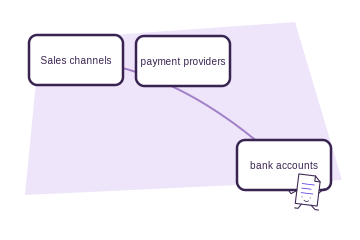
Sales channels → payment providers → bank accounts
Identify where orders originate, how customers pay, and which reports support each settlement before agreeing the accounting process and responsibilities for source records.
Trace
Store activity → fees and adjustments → payouts
Connect supported transactions to net settlements, investigate differences, and preserve inventory and cost context so the books explain more than bank movements alone.
Look ahead
Payout outlook → inventory commitments → cash decisions
Discuss supplier payments, advertising, shipping, and operating obligations against realistic settlement assumptions before committing cash to the next launch or stock purchase.
PEOPLE, RECORDS, AND RESPONSIBILITIES
Bring the context. Connect the next step.
Your business knowledge and the financial record belong in the same conversation.
≡
Your business context
Activity, records, upcoming commitments, and the questions your team wants to answer.
↔
The financial conversation
↔
↗
A defined next step
Agreed work, a clear handoff, and the right service for the question.
Connect bookkeeping, accounting, tax, and advisory needs through a scope that fits the business.
A net payout can reflect fees, refunds, and other adjustments, while timing may differ from order dates. Reconcile the relevant store and payment reports so sales and settlement movements are not collapsed into one unexplained bank deposit.
Does CBA provide an automatic Shopify integration?
No particular integration or platform connection is promised here. Share your current reports and accounting setup so the proposed workflow can explain how records will be provided, reviewed, and reconciled within the agreed scope of financial support.
Does Shopify take care of every tax obligation?
Do not assume that. Business income tax and sales tax responsibilities depend on the activity, jurisdictions, and arrangements involved. Discuss registrations, filing history, and relevant store information with a tax adviser to determine the work actually required.
Why can a growing Shopify store still need cash?
Inventory deposits, advertising, shipping, and overhead can fall due before sales proceeds become available. A cash forecast compares those commitments with settlement assumptions, helping owners examine timing pressure without promising sales growth, immediate payouts, or financing approval.