Restaurant accounting services. Know what the rush leaves behind.
Connect sales, settlements, staffing costs, and the financial rhythm of your restaurant.
A crowded dining room is only one part of the financial picture. CBA Financials helps organize restaurant records from sales summaries to operating expenses, bringing bookkeeping, payroll, tax, and planning conversations together so you can see what the business earned and what its next commitments will require.
The service ends. The financial story keeps moving.
Restaurant accounting services organize sales, payment settlements, expenses, payroll information, and financial reports to help operators understand operating results, cash needs, and tax preparation requirements more clearly.
POS totals, card deposits, delivery payouts, tips, and supplier bills rarely tell their full story in isolation. Restaurant bookkeeping connects those records. We discuss your locations, payment channels, and available reports before shaping the accounting and restaurant tax services appropriate to the operation you actually run daily.
CONNECT THE FINANCIAL PIECES
Practical support. Built around the work.
01 / CONNECT THE WORK
Sales that connect to settlements
Compare POS summaries with card processor and delivery platform settlements. Keep refunds, discounts, fees, and timing differences identifiable so the net deposit does not become the only record of what the restaurant sold during service hours.
Bring payroll information and tip records into the accounting process. Distinguish staff compensation categories and payment activity so restaurant reports can explain labor spending without assuming tips and mandatory service charges always receive identical tax treatment.
Organize ingredient purchases, occupancy, utilities, and other operating expenses consistently. Discuss inventory records when reviewing food costs so purchasing patterns are not automatically treated as the same thing as ingredients used during the reporting period itself.
Look ahead at payroll, supplier commitments, occupancy costs, and expected receipts. Cash planning can make seasonal changes and equipment spending easier to discuss before a quieter trading period arrives with the same fixed bills to pay.
Make the financial conversation part of the business conversation.
Choose the situation closest to yours. Bring the detail into the discussion.
01 / PUT THE QUESTION IN CONTEXT
Why is the deposit smaller than the sales total?
Card and delivery settlements can reflect fees, refunds, and payout timing. Compare the source reports with the bank rather than using a net receipt as an unexplained measure of restaurant sales.
Each channel may need its own reconciliation steps. Agree the available reports and follow-up process for missing settlements or differences requiring operational investigation.
Are gratuities and service charges recorded distinctly?
Tip recordkeeping and reporting involve both employee information and employer responsibilities. Preserve supporting records and identify mandatory charges separately so payroll and tax review can evaluate the appropriate treatment for the facts.
Current tax rules can change without eliminating payroll obligations. Avoid assuming a headline about tip deductions means every restaurant payment is automatically tax free.
A large supplier order can build inventory rather than describe one week’s ingredient usage. Bring available inventory and purchasing records into the cost discussion when comparing menu performance and operating results.
Waste, transfers, and count quality affect the analysis. The restaurant retains operational responsibility for inventory counts, menu decisions, portion control, and purchasing approvals.
Sales may vary while rent, payroll, and supplier obligations continue. Use a near-term cash view to compare expected receipts with commitments and the timing of planned repairs or equipment replacement.
Management can test a quieter sales scenario before committing money. Forecasts make assumptions visible; they do not predict customer demand or guarantee adequate funds.
Identify sales channels, locations, payment processors, and existing payroll reports to define the records needed for a practical restaurant accounting process.
Reconcile
Gross activity → settlement differences → bank receipts
Connect supported sales and expense activity with bank movements, retaining explanations for fees, refunds, timing items, and other differences requiring management review.
Review
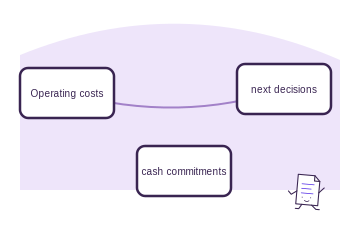
Operating costs → cash commitments → next decisions
Discuss restaurant reports alongside supplier, payroll, and occupancy commitments so seasonal planning and spending decisions reflect the cash needs of the operation.
PEOPLE, RECORDS, AND RESPONSIBILITIES
Bring the context. Connect the next step.
Your business knowledge and the financial record belong in the same conversation.
≡
Your business context
Activity, records, upcoming commitments, and the questions your team wants to answer.
↔
The financial conversation
↔
↗
A defined next step
Agreed work, a clear handoff, and the right service for the question.
Connect bookkeeping, accounting, tax, and advisory needs through a scope that fits the business.
Can restaurant sales be recorded from bank deposits alone?
Deposits are a starting point, but they may combine sales and adjustments while excluding fees or unsettled amounts. POS and settlement reports provide context needed to explain gross activity, refunds, and the money actually reaching the bank.
Do tip-related tax changes remove employer payroll duties?
Do not assume that. Tip deductions and employer reporting or payroll tax responsibilities are separate questions under current rules. Preserve tip records and discuss your actual payment practices and filing obligations with the relevant tax and payroll adviser.
Do you replace our POS or payroll system?
This page does not promise a particular system replacement or native connection. Share the systems and reports you currently use so the proposed accounting process can address available information and any practical steps needed to exchange records.
Can you help evaluate another restaurant location?
A planning conversation can compare startup spending, occupancy, staffing, projected receipts, and the impact on existing operations. It supports financial evaluation using stated assumptions; it does not guarantee demand, financing, profitability, or success at the new location.
RESTAURANTS ACCOUNTING & FINANCIAL SERVICES
KEEP THE BUSINESS MOVING. SEE THE FINANCIAL PICTURE.
Tell us where the financial work needs a clearer connection. Start with a conversation about your business.