Real estate accounting services. See beyond the rent deposit.
Understand property activity, entity finances, and the cash behind your next real estate decision.
Properties can share an owner without sharing the same financial story. CBA Financials helps organize real estate records around the entities, properties, and activities involved, connecting everyday bookkeeping with tax questions and cash planning so a busy portfolio does not become a single unexplained balance at month end.
Every property has a story. Give each one its own numbers.
Real estate accounting services organize property and business financial activity, including receipts, expenses, financing, and owner transactions, with reporting suited to the entities and activities involved.
Rental ownership, brokerage, development, and property management need different financial views. We begin with your business model and entity structure. Bookkeeping for real estate business activity can then preserve property detail while supporting the accounting and real estate tax services relevant to your actual operations and goals.
CONNECT THE FINANCIAL PIECES
Practical support. Built around the work.
01 / CONNECT THE WORK
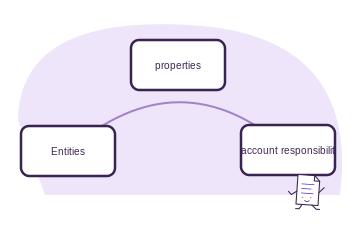
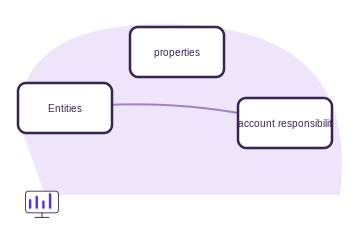
Property detail with entity boundaries
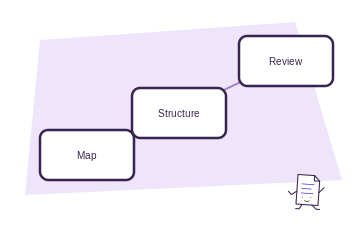
Map accounts, receipts, and expenses to the correct legal entity and property where appropriate. Keep owner transfers and shared costs identifiable so reports do not accidentally combine separate businesses or hide how an individual property performs.
Use loan statements and closing documents to distinguish borrowing, principal payments, interest, and other charges. Bank movement alone does not describe the transaction, particularly when a purchase, refinance, or owner contribution changes the cash position significantly.
Preserve invoices and descriptions for maintenance work, renovations, and equipment purchases. Clear records support the tax discussion about repairs and improvements without making an automatic deduction assumption based only on the vendor name or payment amount.
Compare expected receipts with debt service, operating costs, vacancy assumptions, and upcoming property work. Build a practical view of commitments before an acquisition or renovation relies on cash that another entity or property will need soon.
Make the financial conversation part of the business conversation.
Choose the situation closest to yours. Bring the detail into the discussion.
01 / PUT THE QUESTION IN CONTEXT
Are property and entity reports telling the same story?
A property view and an entity view answer different questions. Set up reporting around the legal ownership and management responsibilities first, then decide which property detail will support useful operating comparisons.
Shared expenses need a documented allocation approach. Client or tenant funds introduce additional requirements that must be evaluated separately from ordinary operating bookkeeping.
Descriptions, invoices, and the purpose of the work matter. IRS rental guidance distinguishes repair costs from improvements that may require capitalization; a payment category alone cannot resolve the tax treatment.
Bring project documents into the review early. Residential rental guidance does not automatically answer every question for development, commercial property, or dealer activity.
A new loan, a capital contribution, and rent receipts have different meanings. Trace material inflows and loan payments to supporting documents before using the bank balance to assess operating performance.
Closing statements and lender records help explain financing activity. Accounting preparation does not include a lender’s credit decision or guarantee access to financing.
Model realistic changes in collection timing, occupancy, debt payments, and project spending. Looking across the relevant properties can highlight pressure that an annual profit figure or scheduled rent roll misses.
A forecast uses stated assumptions, not a property valuation or investment recommendation. Ownership decisions remain yours, supported by relevant legal and investment advice.
Identify ownership, activity types, bank accounts, and available property records before deciding which financial reporting views will serve the business most usefully.
Support
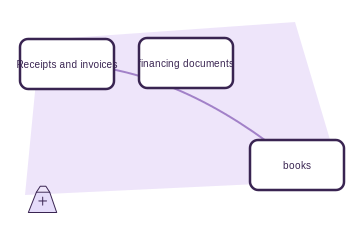
Receipts and invoices → financing documents → books
Organize supported operating activity, owner transactions, and property projects so monthly records preserve the distinctions needed for reporting and later tax review.
Evaluate
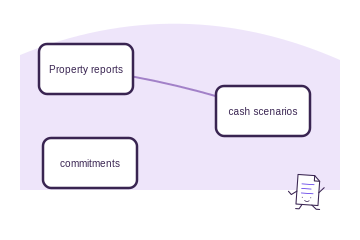
Property reports → commitments → cash scenarios
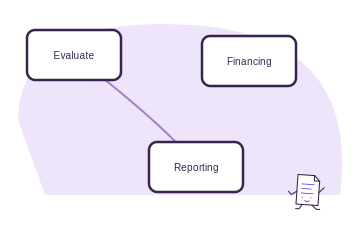
Compare operating results with planned property spending and financing obligations, making vacancy and collection assumptions explicit before discussing the next financial decision.
PEOPLE, RECORDS, AND RESPONSIBILITIES
Bring the context. Connect the next step.
Your business knowledge and the financial record belong in the same conversation.
≡
Your business context
Activity, records, upcoming commitments, and the questions your team wants to answer.
↔
The financial conversation
↔
↗
A defined next step
Agreed work, a clear handoff, and the right service for the question.
Connect bookkeeping, accounting, tax, and advisory needs through a scope that fits the business.
No. Rental ownership, brokerage, development, and third-party management involve different activity. Describe the entities, properties, and responsibilities involved so the proposed financial support addresses your business model rather than applying one generic property accounting template.
Can I deduct every repair or renovation payment?
No universal answer applies. The work’s purpose and facts determine whether an expense is currently deductible or must be capitalized under applicable rules. Keep detailed invoices and obtain tax review, particularly for substantial projects or mixed activities.
Should separate entities share one combined set of books?
Separate entities need records appropriate to their legal and tax structure. Management may also want a combined view, but that should preserve ownership boundaries and documented intercompany activity rather than simply pooling all receipts and spending together.
Does this cover tenant deposits or client money?
Those funds can create obligations beyond ordinary operating accounting. Identify them at the outset so the applicable requirements and any specialized support can be evaluated. This page does not promise universal property management or escrow compliance services.
REAL ESTATE ACCOUNTING & FINANCIAL SERVICES
KEEP THE BUSINESS MOVING. SEE THE FINANCIAL PICTURE.
Tell us where the financial work needs a clearer connection. Start with a conversation about your business.