Healthcare accounting services. Clarity beyond the payment.
Bring collections, adjustments, staffing, and operating commitments into one financial conversation.
A payment can arrive with a separate explanation of the claims and adjustments behind it. CBA Financials helps healthcare businesses organize financial summaries, collections, payroll, and operating costs so owners can understand their business records while keeping clinical and billing responsibilities with the right people.
Connect the collection records. Understand the practice finances.
Healthcare accounting services organize collections, adjustments, payroll, and operating costs into financial records that support business reporting, cash planning, and tax preparation for healthcare organizations.
Medical practice accounting begins with understanding the practice’s financial records and responsibilities. Payer payments, patient collections, adjustments, and supplier expenses follow different paths. Healthcare bookkeeping can connect appropriate financial summaries with bank activity, while the practice retains responsibility for clinical records, coding, claims administration, and the information approved for sharing.
CONNECT THE FINANCIAL PIECES
Practical support. Built around the work.
01 / CONNECT THE WORK
Match payment to explanation
Use suitable payment and remittance information to explain collections recorded in the bank. Keep the distinction between funds received and the accompanying explanation of claims or adjustments visible when the financial records are reconciled.
Separate staffing, premises, supplies, equipment, and other operating costs consistently. Discuss costs in the context of the services provided and the business structure, rather than assuming every healthcare organization has the same expense pattern.
Compare expected receipts with payroll, rent, vendor payments, and financing commitments. A practical cash forecast can highlight the effect of a payment delay without treating pending claims or anticipated patient collections as immediately available funds.
Bring financial reports and stated operating assumptions to discussions about staffing, equipment, or an additional location. Review the business implications with clinical and operational input rather than allowing a financial model to substitute for care decisions.
Make the financial conversation part of the business conversation.
Choose the situation closest to yours. Bring the detail into the discussion.
01 / PUT THE QUESTION IN CONTEXT
Why is a payment amount not the whole explanation?
CMS distinguishes the transfer of payment from remittance information explaining a payment. Suitable financial summaries help connect receipts and adjustments to bank activity, especially when a single payment relates to more than one claim.
Agree which records are needed for reconciliation and who resolves billing questions; bookkeeping should not silently change the practice’s claim or coding decisions.
How much patient information does accounting need?
Start with the financial purpose and identify the minimum suitable records for that task. Aggregated practice summaries may answer some questions without broad clinical access, while exceptions need an agreed process and the appropriate practice contact.
Discuss approved transfer arrangements and information-handling responsibilities before sharing records. Do not assume ordinary email is suitable for every type of practice information.
Does every healthcare practice need the same reporting?
No. Provider ownership, service mix, payment arrangements, and staffing structures affect the useful reporting categories. Explain how your organization operates before selecting a format that may hide differences between locations, services, or business activities.
A manageable reporting structure should answer the owners’ decisions and match reliable source records, rather than creating detail the practice cannot maintain.
Organized collections, expenses, payroll, equipment, and financing records help support a business tax preparation discussion. The entity and actual transactions determine the review; healthcare status alone does not establish the treatment of every cost or payment.
Identify required returns and separate advisory questions early, particularly when ownership changes, equipment purchases, or additional business activities alter the previous recordkeeping routine.
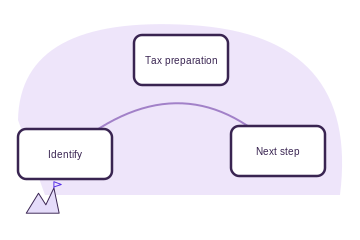
Practice model → financial purpose → suitable records
Discuss the business structure, reporting needs, financial record sources, and appropriate practice contacts before deciding which documents accounting needs to receive.
Reconcile
Collections and adjustments → bank → financial reports
Connect suitable financial summaries with receipts, organize operating costs, and raise unmatched payments or adjustment questions with the designated practice contact.
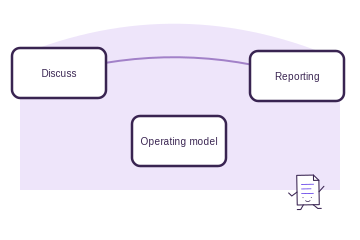
Discuss
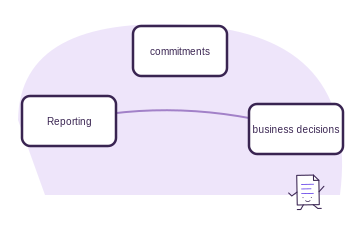
Reporting → commitments → business decisions
Review collection timing, recurring expenses, and planned commitments alongside operational input so owners can make better informed financial decisions for the business.
PEOPLE, RECORDS, AND RESPONSIBILITIES
Bring the context. Connect the next step.
Your business knowledge and the financial record belong in the same conversation.
≡
Your business context
Activity, records, upcoming commitments, and the questions your team wants to answer.
↔
The financial conversation
↔
↗
A defined next step
Agreed work, a clear handoff, and the right service for the question.
Connect bookkeeping, accounting, tax, and advisory needs through a scope that fits the business.
Does healthcare bookkeeping include claims coding?
Not automatically. This page addresses the business’s financial records, reporting, cash planning, and tax preparation needs. Clinical coding, claims submissions, and patient billing administration require separate responsibilities and appropriate expertise within the practice’s process.
What is the difference between payment and remittance advice?
Payment transfers the funds, while remittance information explains the related payment and adjustments. Accounting may need suitable information from both to reconcile collections accurately, particularly when one payment covers activity across multiple claims.
Do you need access to all patient records?
The information needed depends on the accounting task. Begin with appropriate financial summaries and agree how exceptions will be handled. Broad clinical access should not be assumed necessary simply because a practice is outsourcing some accounting work.
Can you help evaluate a practice expansion?
We can discuss financial scenarios using your assumptions for costs, staffing, collections, and financing. Clinical suitability, licensing, staffing standards, and other specialist questions remain separate; a forecast does not establish that an expansion is appropriate or viable.
HEALTHCARE ACCOUNTING & FINANCIAL SERVICES
KEEP THE BUSINESS MOVING. SEE THE FINANCIAL PICTURE.
Tell us where the financial work needs a clearer connection. Start with a conversation about your business.